
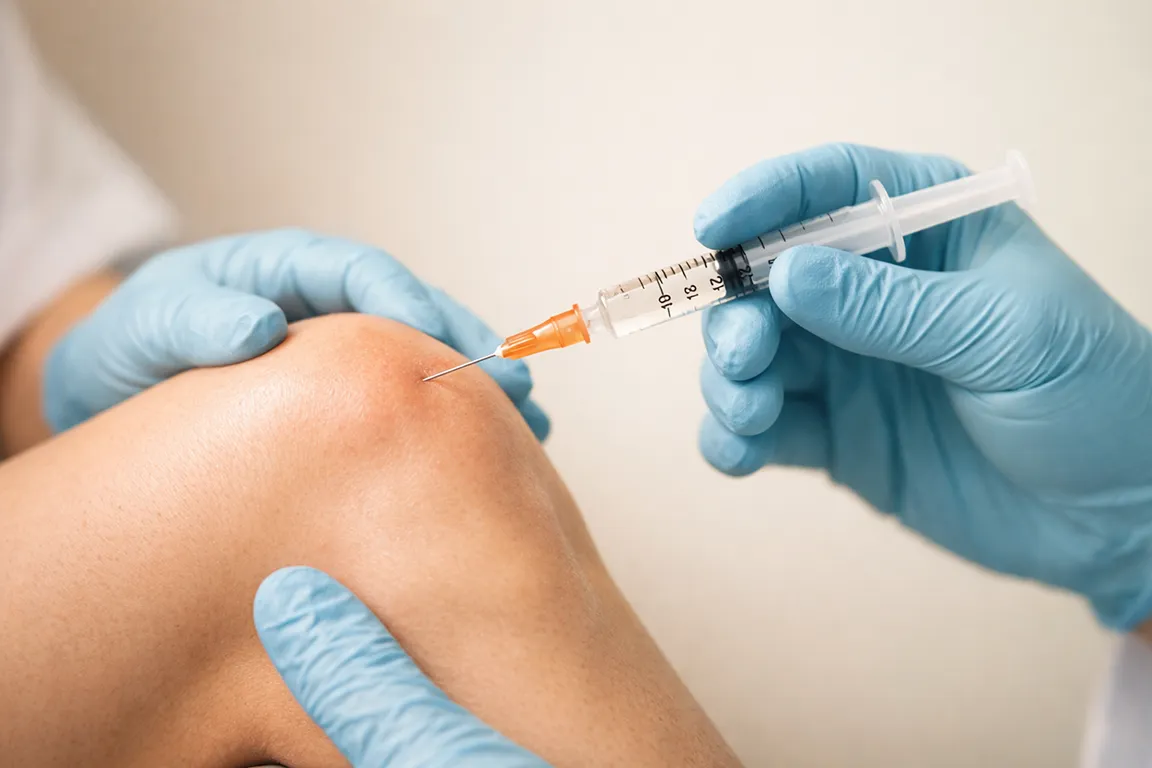
Few interventional pain management procedures are as widely used — or as widely misunderstood — as the cortisone shot. Patients hear about it from their doctors, their neighbors, and their favorite athletes, but they often sit down in the exam room not quite sure what they’ve agreed to. Here’s a thorough look at how this injection actually works, what it can and can’t do, and what the experience is really like from start to finish.
What Does a Cortisone Shot Do?
A cortisone shot delivers a corticosteroid — a synthetic version of cortisol, a hormone your adrenal glands produce naturally — directly into an inflamed area of the body. The primary goal is to reduce inflammation at the source, which in turn reduces pain and improves function.
It’s worth understanding what cortisone is not. It isn’t a painkiller in the traditional sense, and it doesn’t repair damaged tissue. What it does is interrupt the inflammatory cycle that’s generating pain signals. When a joint, tendon, or bursa becomes chronically inflamed, the body struggles to break out of that cycle on its own. A cortisone injection essentially hits the reset button on that process, creating a window of reduced inflammation during which the body — and often physical therapy — can do more productive work.
The steroid is typically combined with a local anesthetic in the injection, which is why many patients notice immediate but short-lived relief right after the procedure. That initial effect comes from the numbing agent. The corticosteroid itself takes a few days to reach full effect.
Common Reasons for Cortisone Shots
Cortisone injections are used across an enormous range of conditions and body regions, which is part of what makes them such a workhorse in pain management. Inflammation is a common thread in many musculoskeletal conditions, and cortisone addresses that thread wherever it appears.
Joints and arthritis: Cortisone shots are routinely used in the knee, hip, shoulder, ankle, wrist, and finger joints to manage osteoarthritis and inflammatory arthritis flares. They’re particularly common in knee and hip arthritis when patients want relief before or instead of surgery.
Shoulder conditions: Rotator cuff tendinitis, bursitis, and impingement syndrome are among the most frequent reasons patients receive cortisone shots in the shoulder. The injection is typically placed in the subacromial space, where the rotator cuff tendons and bursa live.
Foot and ankle: Plantar fasciitis, Achilles tendinopathy, and Morton’s neuroma are all commonly treated with cortisone injections in the foot. These can be particularly effective for plantar fasciitis when combined with stretching and orthotics.
Spine: Epidural steroid injections — a variation of the cortisone shot — are used to treat nerve root inflammation from herniated discs, spinal stenosis, and radiculopathy in the neck and lower back.
Soft tissue conditions: Trigger finger, carpal tunnel syndrome, tennis elbow (lateral epicondylitis), golfer’s elbow, and bursitis throughout the body all respond to targeted cortisone injections.
The common denominator is inflammation. If a painful condition involves inflamed tissue that isn’t responding adequately to conservative measures like rest, ice, and oral anti-inflammatories, a cortisone injection is often the logical next step.
How Long Does It Take for a Cortisone Shot to Work?
Most patients notice the effects of a cortisone shot within two to seven days of the injection. Some feel meaningful improvement within 24 to 48 hours; for others, it takes closer to a week for the steroid to build up enough at the injection site to produce noticeable results.
The timeline can vary depending on the condition being treated, the specific location of the injection, and the individual patient’s response to corticosteroids. Patients with more severe inflammation sometimes take a bit longer to respond. If two weeks have passed with no improvement, that’s a signal worth bringing back to your provider — it may indicate that the injection missed the target, that the diagnosis warrants a second look, or that a different treatment approach is needed.
Don’t judge the injection in the first 24 hours. The immediate soreness at the injection site — often called a “cortisone flare” — can make patients feel worse before they feel better, and that temporary uptick in discomfort doesn’t predict how the shot will ultimately perform.
How Long Does a Cortisone Shot Last?
This is one of the most common questions patients ask, and the answer is genuinely variable. For some patients, a cortisone shot provides significant relief for several months. For others, the benefit fades within a few weeks. The average range most clinicians cite is six weeks to six months, with many patients landing somewhere in the middle.
Several factors influence duration:
- The underlying condition and its severity
- Whether the patient made lifestyle or activity modifications during the relief window
- Whether physical therapy was pursued alongside the injection
- The specific joint or tissue being treated
- The patient’s overall health, weight, and activity level
Cortisone injections tend to work best when they’re part of a broader treatment plan rather than a standalone fix. Using the pain relief window to build strength, improve mobility, and address contributing factors can extend functional improvement well beyond what the steroid alone would provide.
How Painful Is a Cortisone Shot?
Understandably, needle anxiety is one of the biggest barriers for patients who might benefit from this treatment. The honest answer is that most people find cortisone shots considerably more tolerable than they anticipated.
The injection site is typically numbed with a topical anesthetic or a small amount of local anesthetic before the corticosteroid is delivered. The most common sensations described during the injection itself are pressure, a brief burning or stinging, and occasionally a deep ache if the needle passes near a nerve. For most patients, the entire procedure takes less than a minute.
Injections in certain locations tend to be more sensitive than others. Foot injections — particularly for plantar fasciitis — are often cited as the most uncomfortable, given the concentration of nerve endings in that area. Shoulder and knee injections are generally well-tolerated. In all cases, provider technique matters significantly, and providers who perform these injections regularly tend to minimize discomfort through precise, confident needle placement.
After the shot, soreness at the injection site for 24 to 48 hours is normal and expected. Ice and rest help manage it.
Cortisone Shot Side Effects
Cortisone shots are considered safe when administered appropriately, but they do carry potential side effects that patients should be aware of.
The most common local side effects include temporary pain flare at the injection site (the cortisone flare mentioned above), skin discoloration or fat atrophy near a superficial injection, and — in some cases — a temporary elevation in blood sugar levels, which is an important consideration for patients with diabetes.
Systemic side effects are less common but can include facial flushing, temporary mood changes, disrupted sleep, and hormonal fluctuation. These effects typically resolve within a few days as the steroid is metabolized.
Repeated cortisone injections carry additional concerns. High-frequency steroid use can weaken tendons and cartilage over time, which is why providers are cautious about how often they administer them. For patients receiving injections in weight-bearing joints like the knee or hip, some evidence suggests that very frequent injections may accelerate cartilage breakdown rather than preserving it — an important tradeoff to discuss with your provider.
How Often Can You Get a Cortisone Shot?
There’s no single universal rule, but most pain management providers follow a general guideline of no more than three to four cortisone injections in the same joint or area per year, with at least six weeks between injections.
The reasoning is cumulative: while individual injections are generally safe, repeated high-dose steroid exposure can degrade connective tissue and create vulnerability to tendon rupture or cartilage thinning. Your provider will weigh how much benefit you’re getting from each injection against those long-term risks.
If a patient requires frequent injections to manage their pain, that pattern often signals that the underlying condition needs a more definitive treatment approach — whether that’s a different interventional procedure, surgical consultation, or an aggressive rehabilitation program. Cortisone is best thought of as a bridge, not a permanent solution.
Cortisone Shot Cost
Cortisone injection costs vary considerably depending on the injection site, the clinical setting, the provider’s specialty, and most importantly, insurance coverage.
For patients with insurance, cortisone shots are widely covered as a standard of care for appropriate diagnoses. With coverage, out-of-pocket costs typically reflect your copay or coinsurance — often ranging from $20 to $150 depending on your plan structure. The administration fee, facility fee, and any imaging guidance (such as ultrasound) used to place the injection accurately may each be billed separately.
For patients without insurance, or for injections that fall outside coverage, out-of-pocket costs can range from roughly $100 to $300 or more depending on the complexity of the procedure and the clinical setting. Ultrasound-guided injections, which carry greater precision for certain locations, typically cost more than blind injections performed by landmark guidance. It’s always worth calling ahead to understand what will be billed and whether a prior authorization is needed.
Ready to Talk to a Provider About Your Options?
If you’re living with joint pain, tendon pain, or chronic inflammation that hasn’t responded to rest or over-the-counter treatment, a cortisone injection may be worth a serious conversation. The team at Access Pain Solutions has extensive experience with corticosteroid injections and the full range of interventional pain treatments. They’ll help you understand whether a cortisone shot is the right fit for your situation, and what a complete treatment plan might look like beyond the injection itself.
Contact Access Pain Solutions today to schedule a consultation and take the next step toward lasting pain relief.